Seasonal Color Analysis —
Find Your Season in 3 Questions
What Is Seasonal Color Analysis?
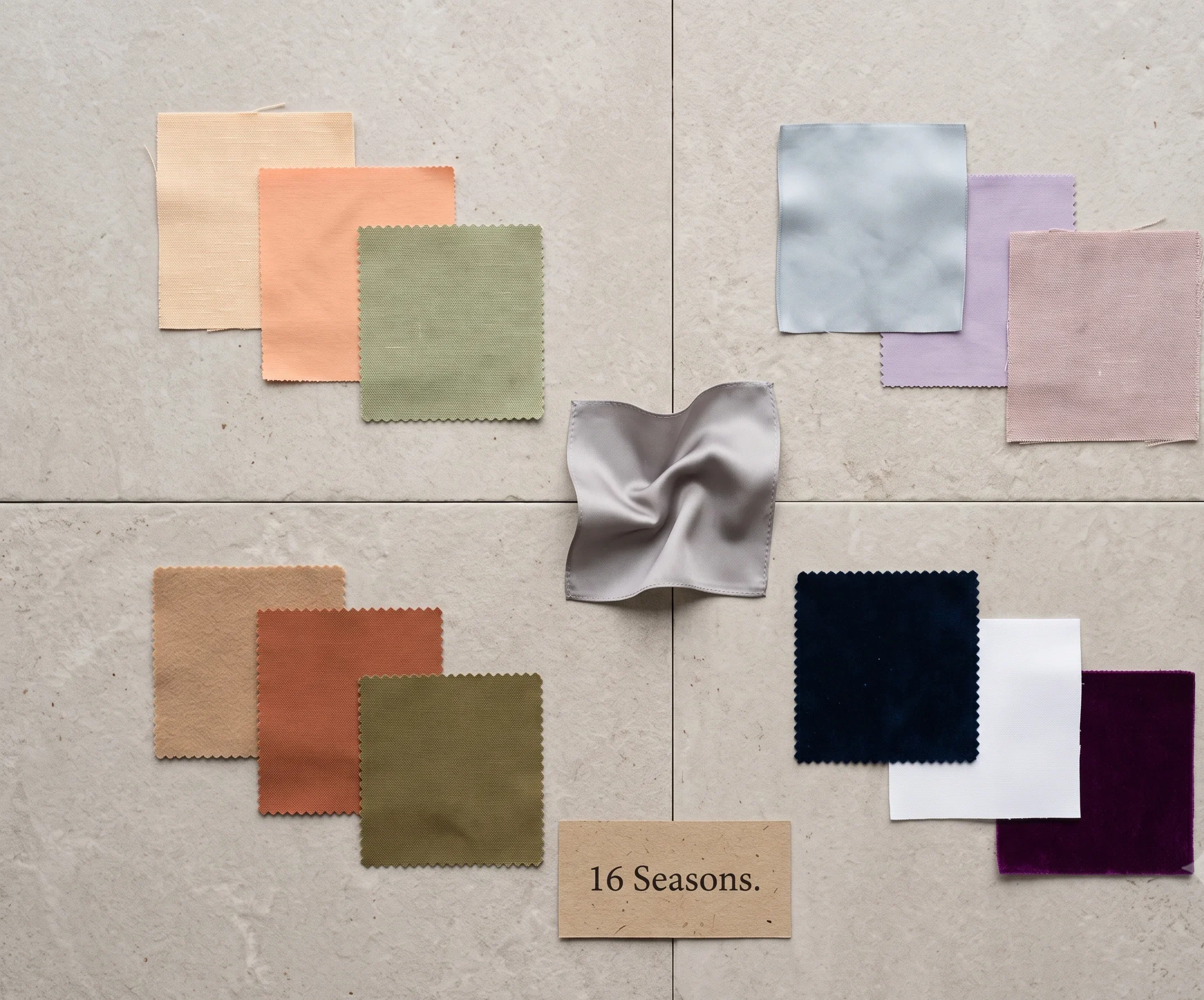
Seasonal color analysis identifies which colours work best with your natural biology — skin undertone, hair depth, and eye clarity. It uses three measurements: temperature (cool or warm), value (light to deep), and saturation (muted to vivid). Together, these three variables place you into one of 16 colour seasons. Each season defines a specific palette of colours that harmonise with your natural colouring rather than working against it.
Discover your color season, decode your palette, and dress with intention — from Soft Summer to Dark Winter.
Find Your Season — Free Seasonal Color Analysis Quiz
Three questions. Two minutes. A directional result pointing to your colour season. Answer each question using natural light — not indoor warm-bulb lighting — and using your natural hair colour, not dyed or highlighted.
What Colour Season Am I?
The free 16-season colour analysis quiz — 5 questions, immediate result, every season covered.
Find Your Colour Season
This quiz uses the same three variables as a professional Sci/ART drapting session — undertone temperature, natural depth, and saturation response — to point you toward your colour season. Answer in natural daylight for the most accurate result.
Results are directional, not diagnostic. A professional Sci/ART drapting session with calibrated fabrics confirms your exact season. Many people sit near a season boundary — if your result feels slightly off, the “Also consider” note below your result is where to look next.
What Is Seasonal Color Analysis?
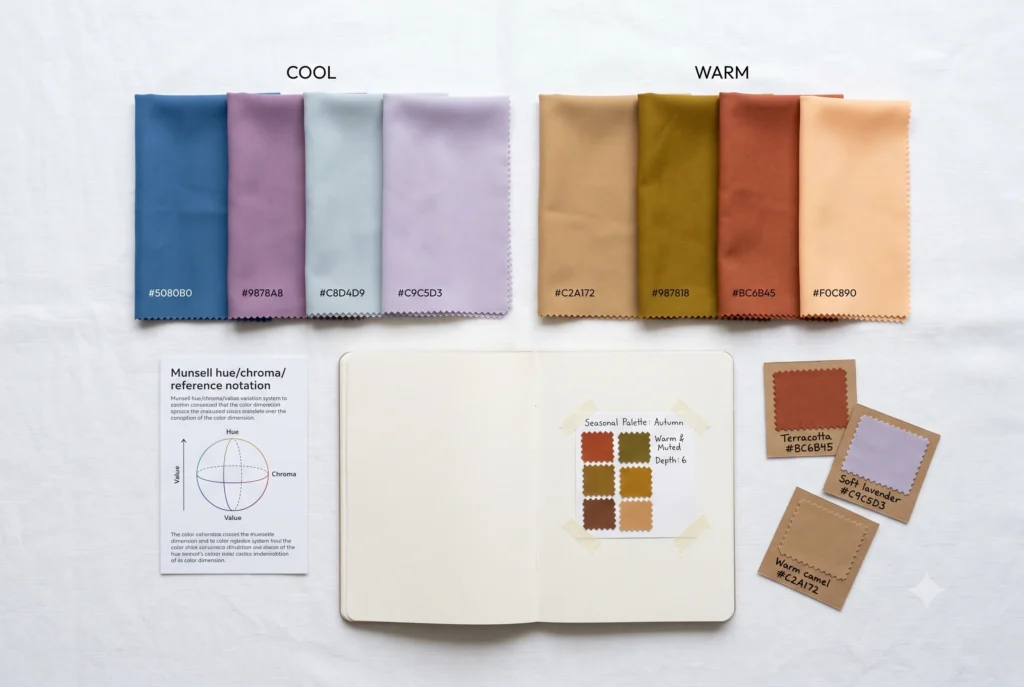
Seasonal color analysis is a method developed from Munsell colour science — the same system used in professional colour calibration. It identifies the specific palette of colours that harmonise with your natural colouring rather than working against it.
The system uses three variables. Every colour, and every person, can be measured on the same three dimensions. Matching these dimensions between person and palette is what produces the “lit from within” effect people describe when they wear their correct colours.
Temperature
Cool (blue-pink base) or warm (gold-brown base). This single variable sorts everyone into the Summer/Winter families (cool) or Spring/Autumn families (warm). It is the most important of the three measurements.
Value
Light to deep — how much melanin is present in hair, skin, and eyes. Light seasons need light colours; deep seasons can carry deep, rich tones. Wearing colours outside your value range creates a “swallowed” or “washed out” effect.
Saturation (Chroma)
Muted to vivid — how greyed-down or pure the colour is. Muted seasons need muted colours; clear seasons need clear ones. A vivid colour on a muted-type face becomes more visible than the face wearing it.
How the System Works — A Real Observation In my drapting sessions, the clearest demonstration of how seasonal color analysis works is always the muted-vs-vivid test. A client with Soft Summer colouring holds a muted slate blue near their face — the skin clarifies, the eyes sharpen, the face becomes the most visible element in the composition.
They hold a vivid electric blue — and the fabric becomes the most visible element. The face retreats. Same hue family, different saturation. That difference is exactly what seasonal color analysis measures and corrects for.
The 16 Colour Seasons at a Glance
All 16 seasons are organised into four families — Spring, Summer, Autumn, Winter. Each family has four sub-seasons, varying in lightness, saturation, or how close they sit to an adjacent family’s boundary. Use the quiz below to find your season, then return here to explore it in detail.
Light Spring
Warm, light, softy clear. Pale peach, warm ivory, light coral, sage. The lightest Spring sub-season.
True Spring
Warm, clear, medium-vivid. Golden yellow, coral, olive green. The warmest Spring expression.
Bright Spring
Warm, vivid, high energy. Clear orange, vivid yellow-green, hot coral. The most saturated Spring.
Soft Spring
Warm, muted, light. Peach, warm sand, muted sage. Spring meeting the Autumn boundary.
Light Summer
Cool, very light, softy muted. Icy powder blue, pale lavender, soft mauve-pink. The palest Summer.
Full Guide →True Summer
Cool, medium, clearly defined. Cornflower blue, orchid, watermelon pink. Also called Cool Summer.
Full Guide →Soft Summer 👑
Cool, muted, beautifully blended. Misty blue-grey, dusty rose, soft lavender. The most widely occurring Summer.
The Full Guide →Dark Summer
Cool, deep, richly blended. Deep navy, rich plum, dark teal. Summer meeting the Winter boundary.
Summer Hub →Soft Autumn
Warm, muted, blended. Camel, terracotta, muted olive. The Autumn equivalent of Soft Summer.
Full Guide →True Autumn
Warm, rich, clearly defined. Pumpkin, marigold, chestnut, teal. Also called Warm Autumn.
Autumn Guide →Dark Autumn
Warm, deep, very rich. Dark umber, deep olive, oxblood. Autumn meeting the Winter boundary.
Bright Autumn
Warm, vivid, bold. Bright orange, vivid gold, clear teal. Autumn meeting the Spring boundary.
Dark Winter
Cool, maximum depth, high contrast. Near-black navy, true black, deep plum. Winter at its deepest.
True Winter
Cool, vivid, icy. Pure blue, fuchsia, emerald, bright white. Also called Cool Winter.
Bright Winter
Cool, maximum saturation, electric. Winter meeting the Bright Spring boundary in energy.
Soft Winter
Cool, muted, medium-deep. Slate blue, soft plum, muted teal. Winter meeting the Summer boundary.
The Spring Variations (Warm, Clear, Light)
These are your clear, golden-based palettes.
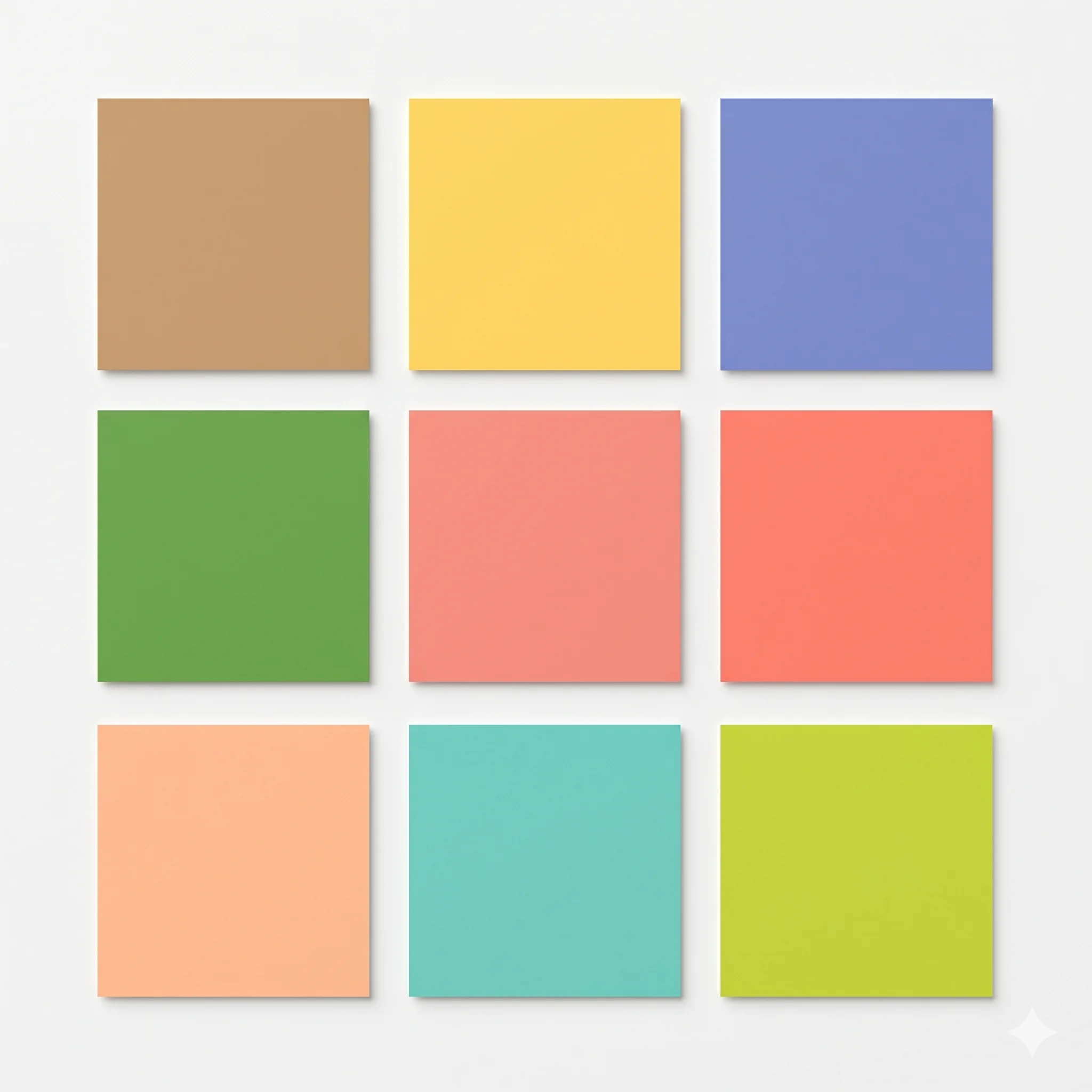
Bright Spring
(Clear Spring)
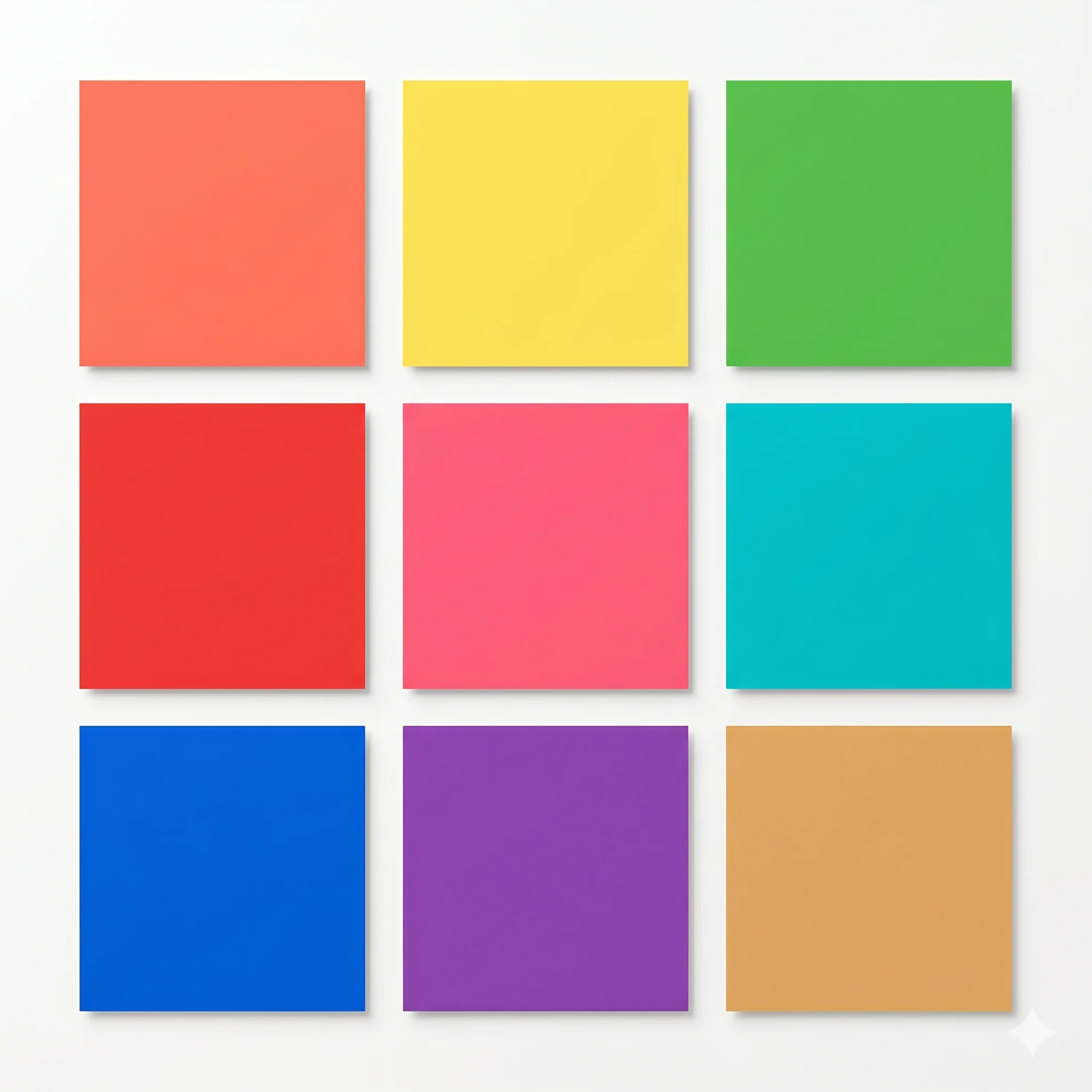
highly saturated, clear, warm, high contrast. Vibrant coral, canary yellow, and bright warm green.
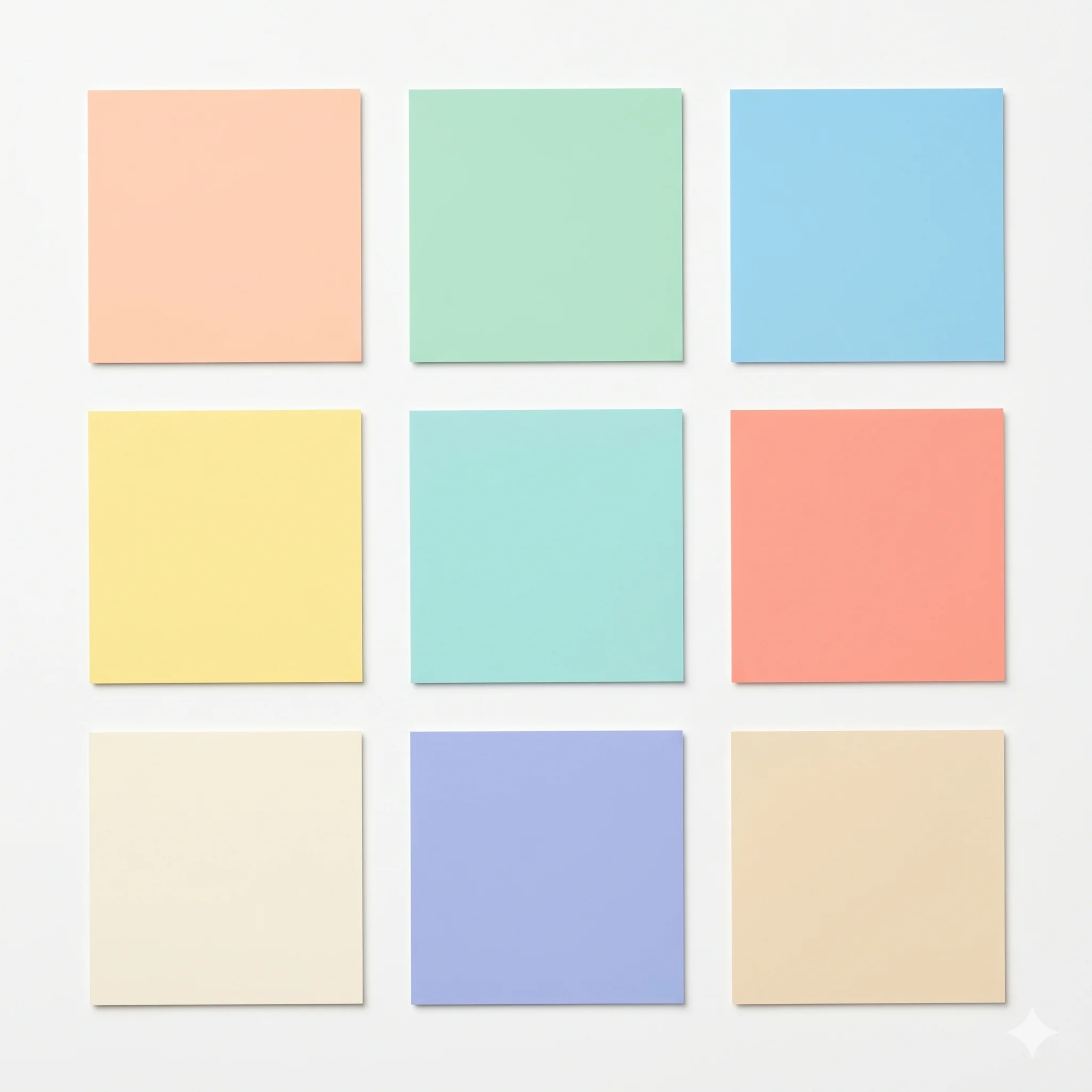
True Spring
(Warm Spring)
golden, medium value, clear. Camel, periwinkle blue, and warm daffodil yellow.
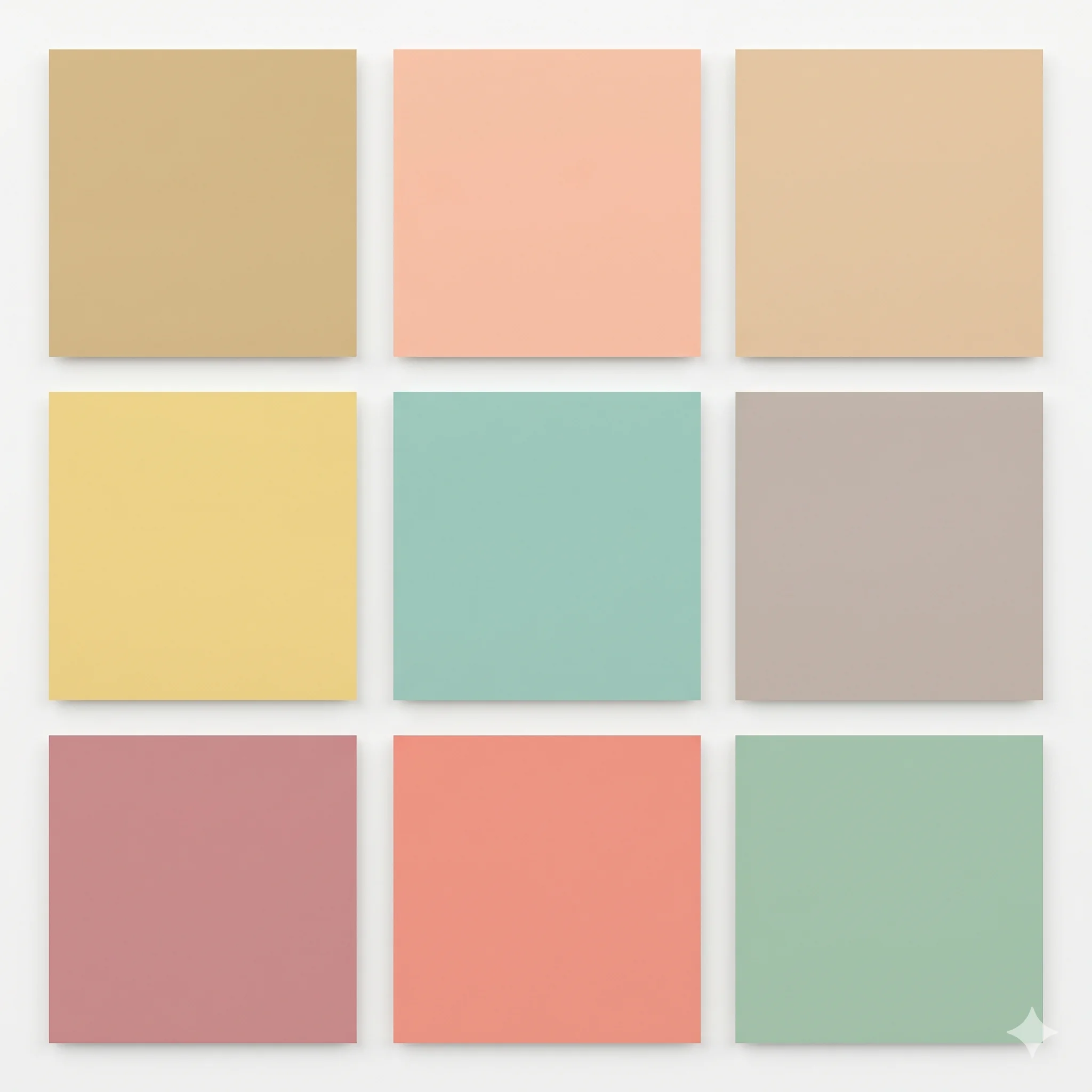
Light Spring
(Light Spring)
delicate, low contrast, sunny. Peach, mint green, and sky blue.
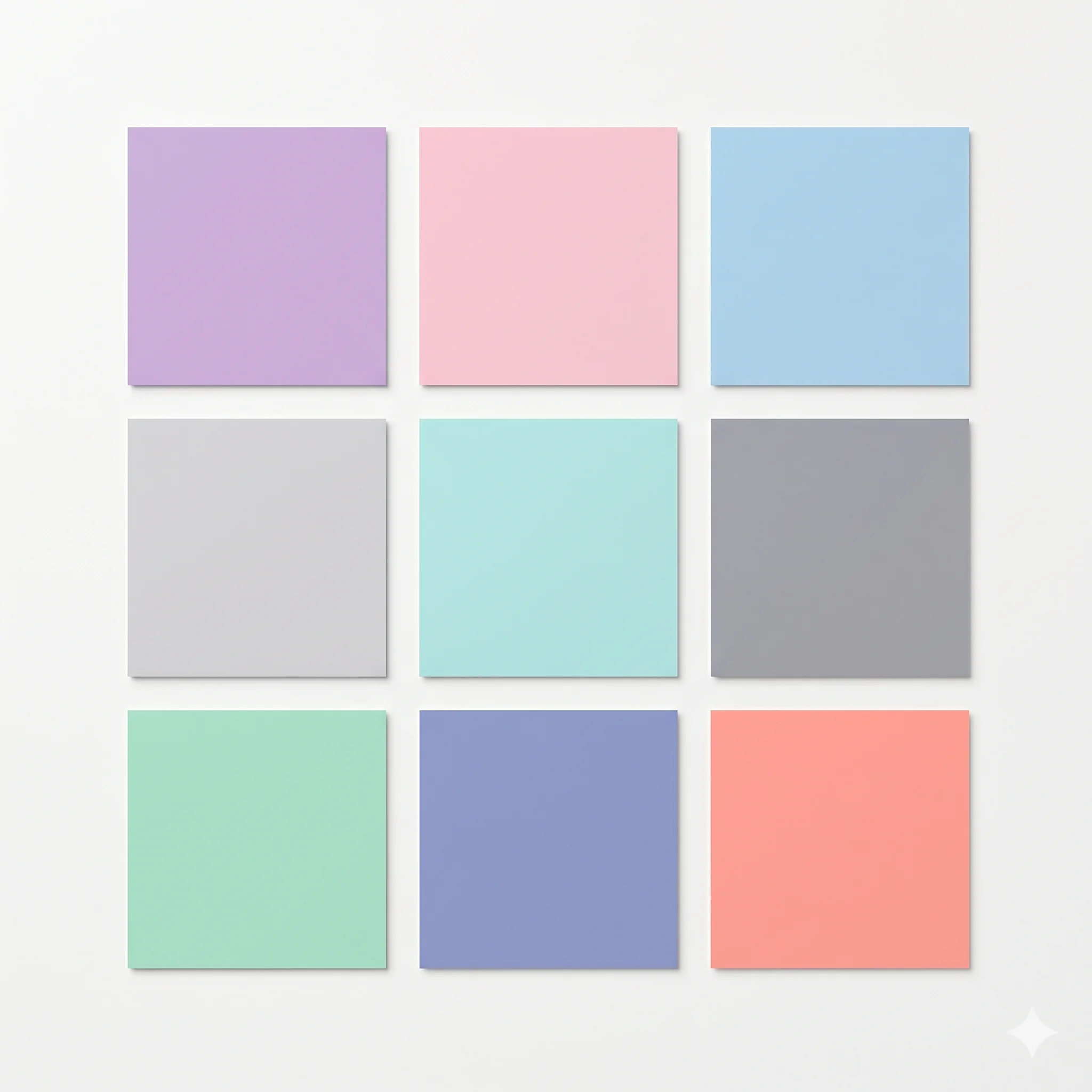
Soft Spring
(Light Tonal Flow)
light, slightly muted, neutral-warm. Antique gold, light teal, and peach-pink.
The Summer Variations (Cool, Muted, Light)
These are your sophisticated, grey-based, cool palettes.
Light Summer
delicate, cool, ethereal. Lavender, light grey, and cool aqua.
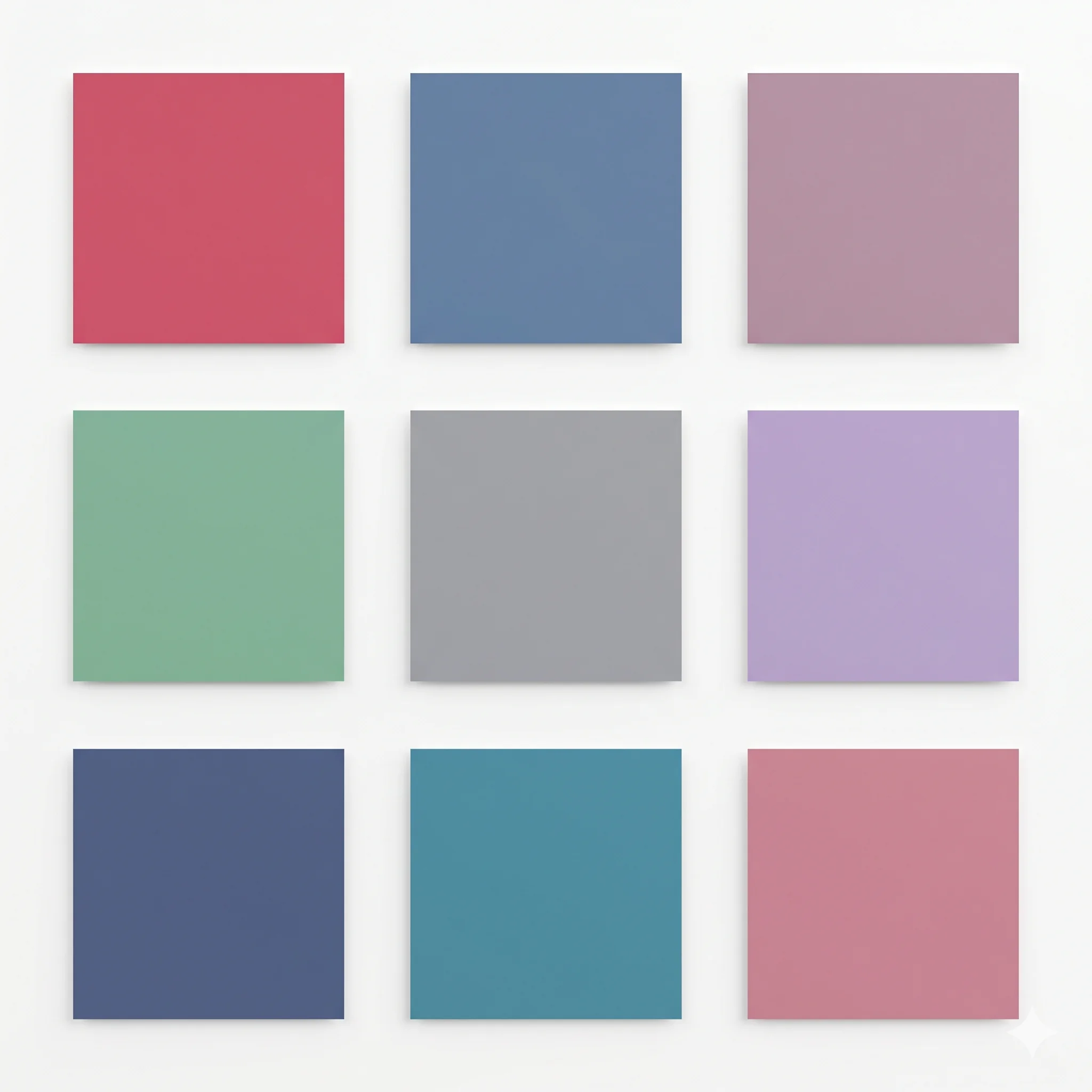
True Summer
(Cool Summer)
totally cool-based, medium value, soft. Raspberry, denim blue, and cool mauve.
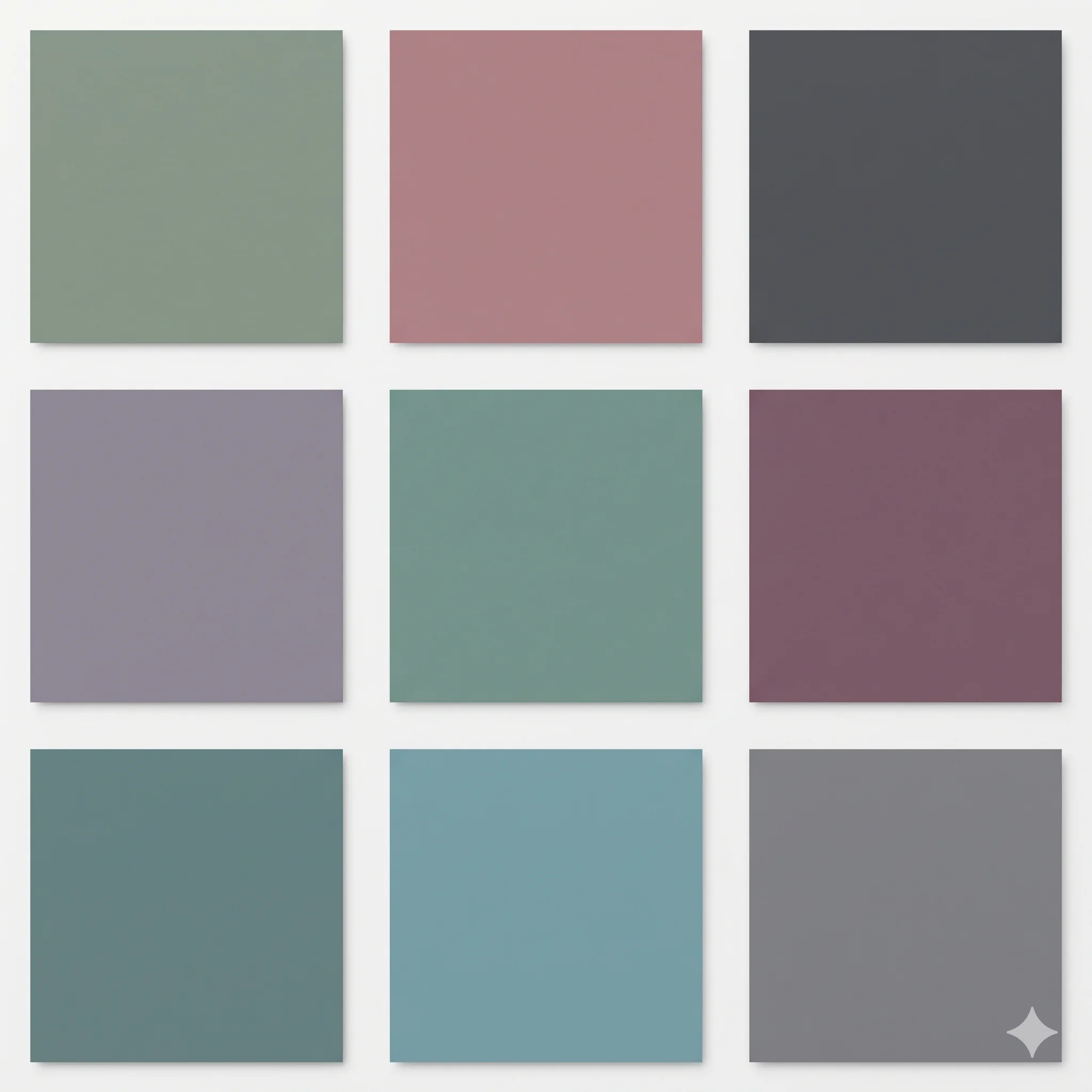
Soft Summer
deeply muted, cool-neutral, smoky. Sage green, soft blue, and greyed rose.
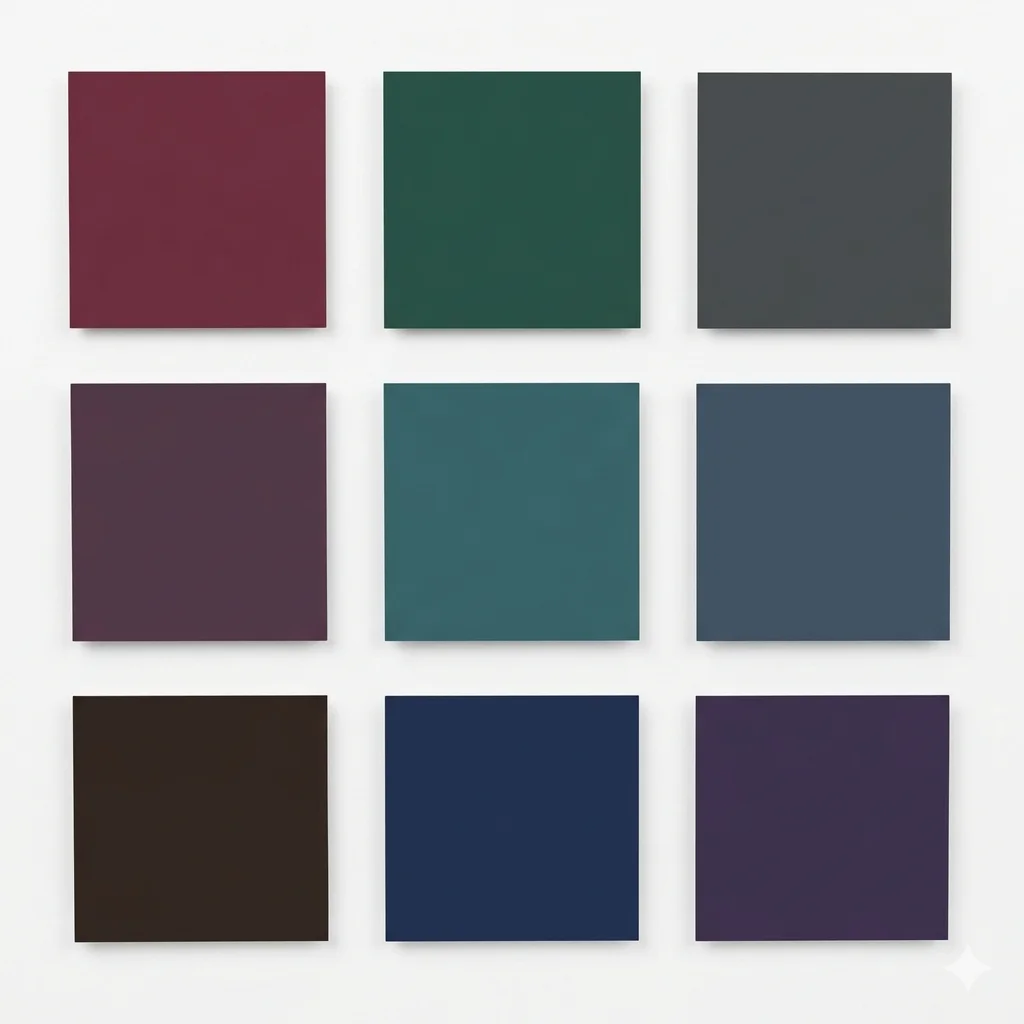
Dark Summer (Deep Tonal Flow)
cool, muted, deeply saturated. Burgundy, deep cool green, and charcoal.
The Autumn Variations (Warm, Muted, Dark)
These are your earthy, golden, rich palettes.
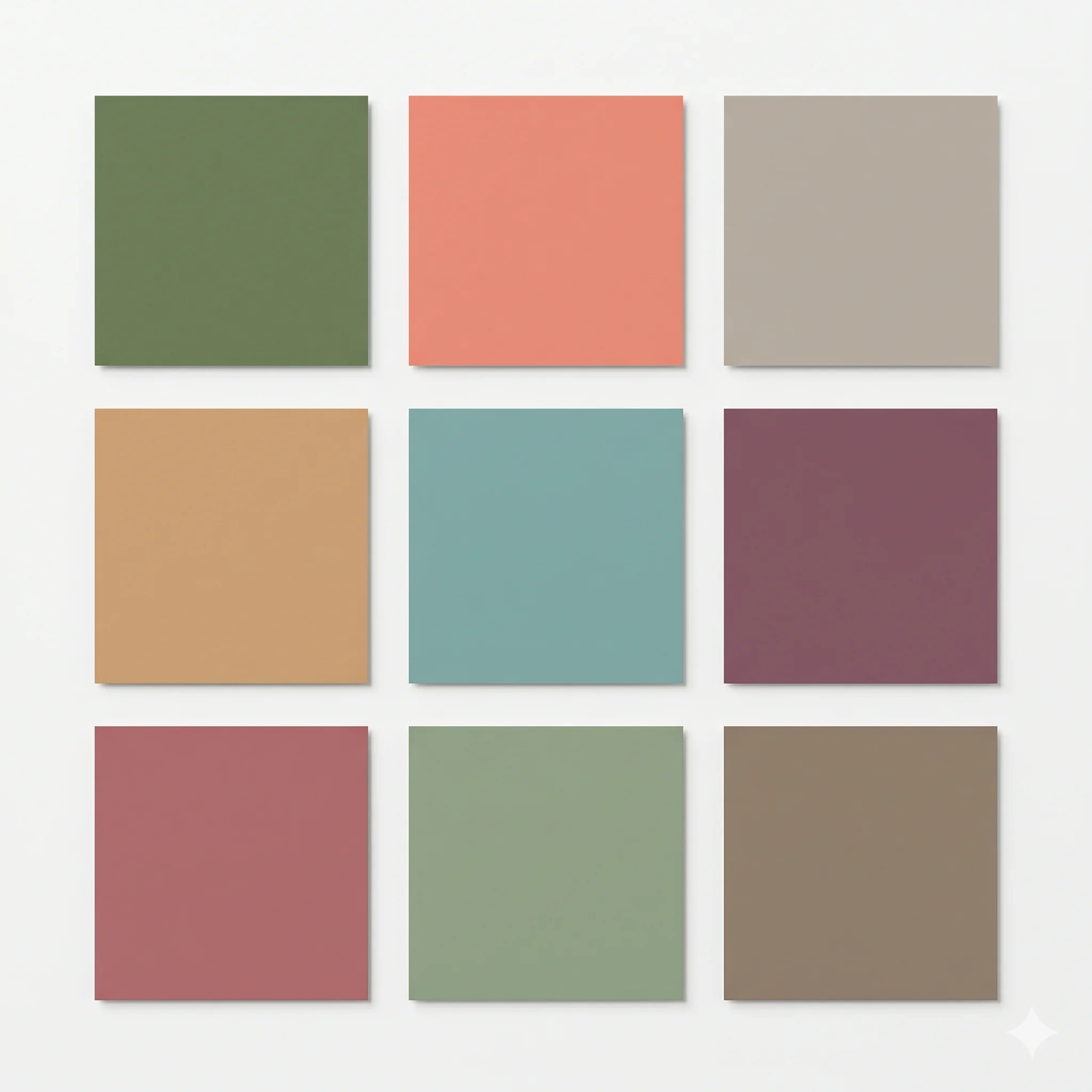
Soft Autumn
deeply muted, neutral-warm, earthy. Moss green, salmon, and warm grey.
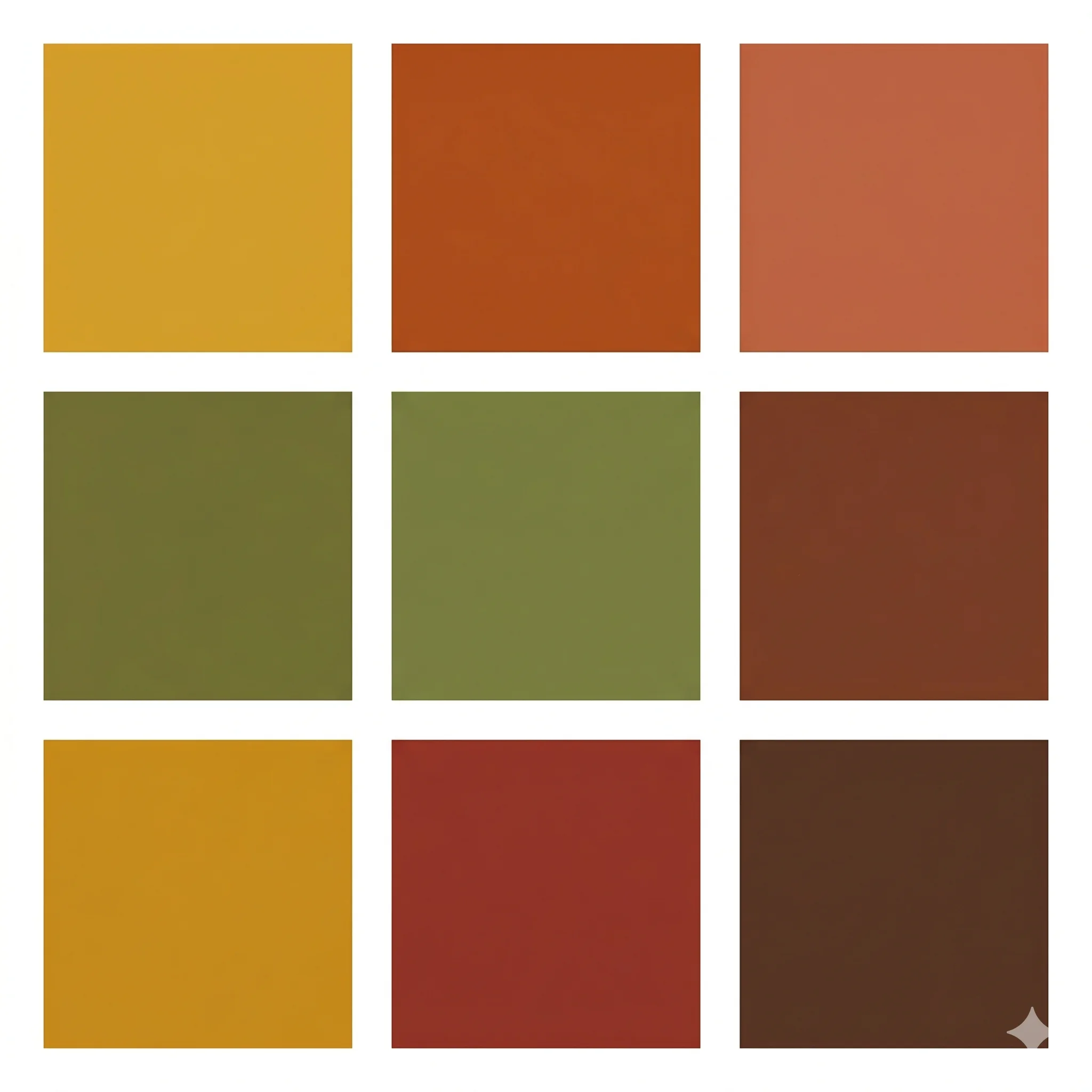
True Autumn (Warm Autumn)
completely warm-based, rich, earthy. Rust, olive, and mustard.
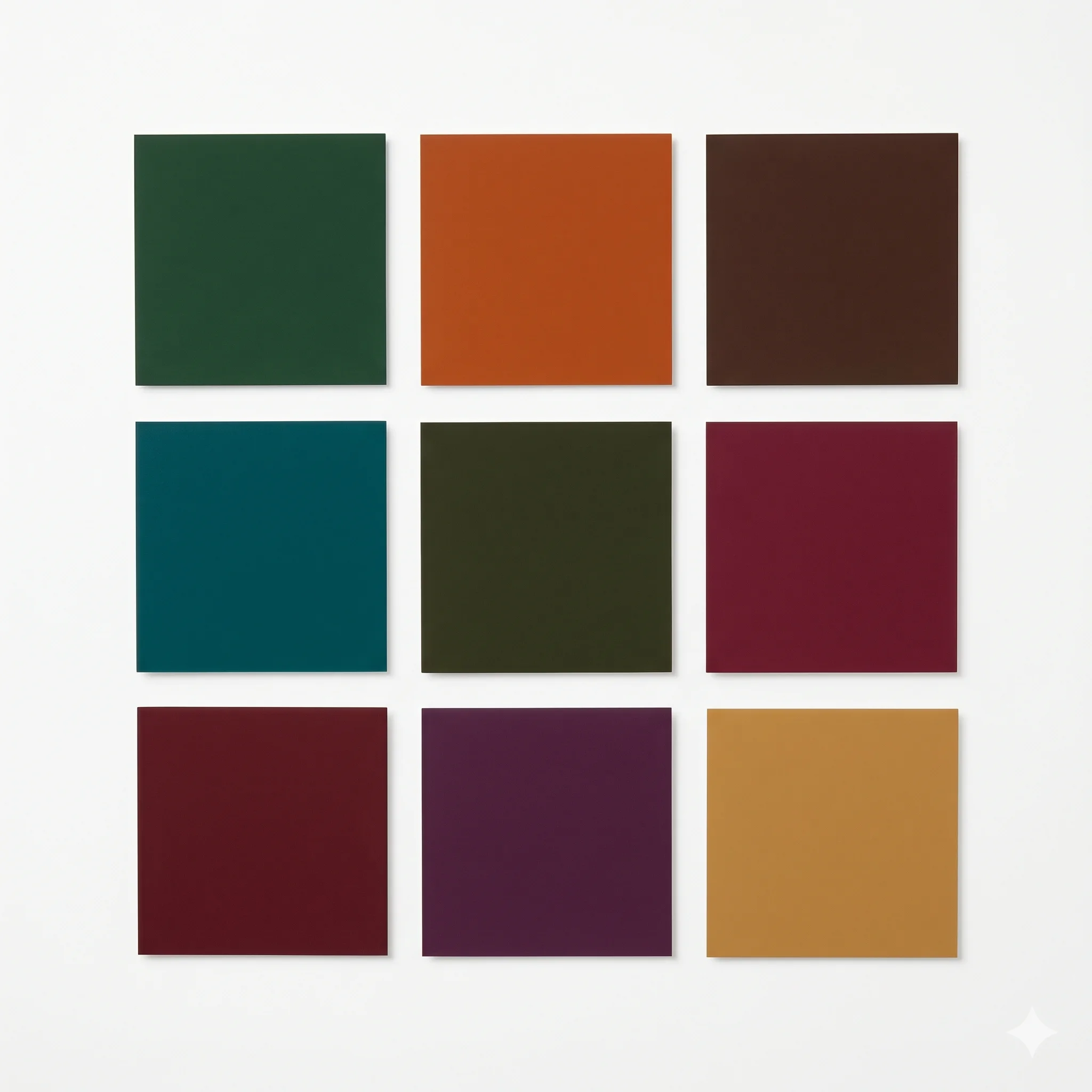
Dark Autumn
(Deep Autumn)
deeply saturated, heavy value, slightly muted. Forest green, chocolate, and burnt orange.
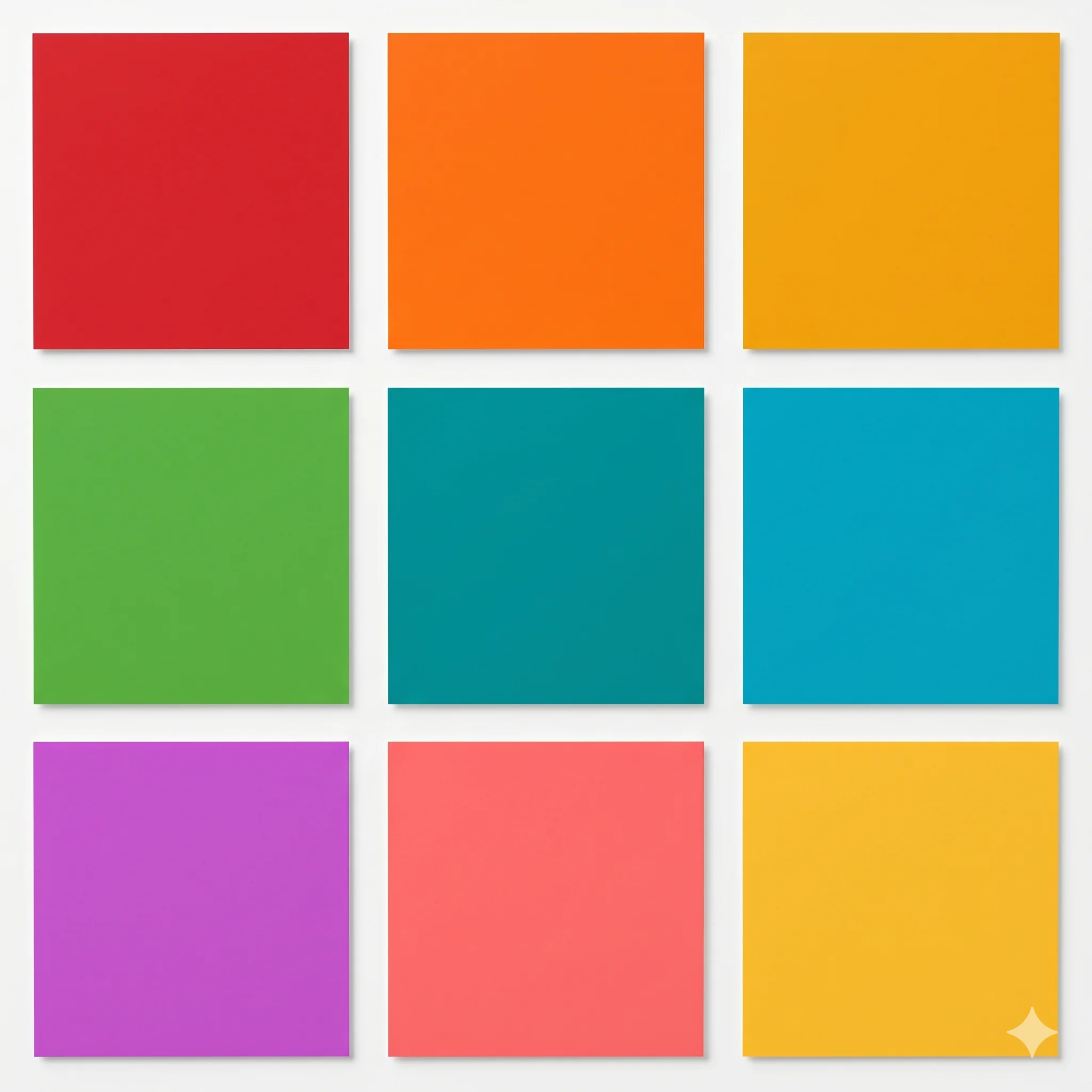
Bright Autumn (Clear Tonal Flow)
rich, warm, vibrant saturation. Chili pepper red, teal, and amber yellow.
The Winter Variations (Cool, Clear, Dark)
These are your high-contrast, blue-based, striking palettes.
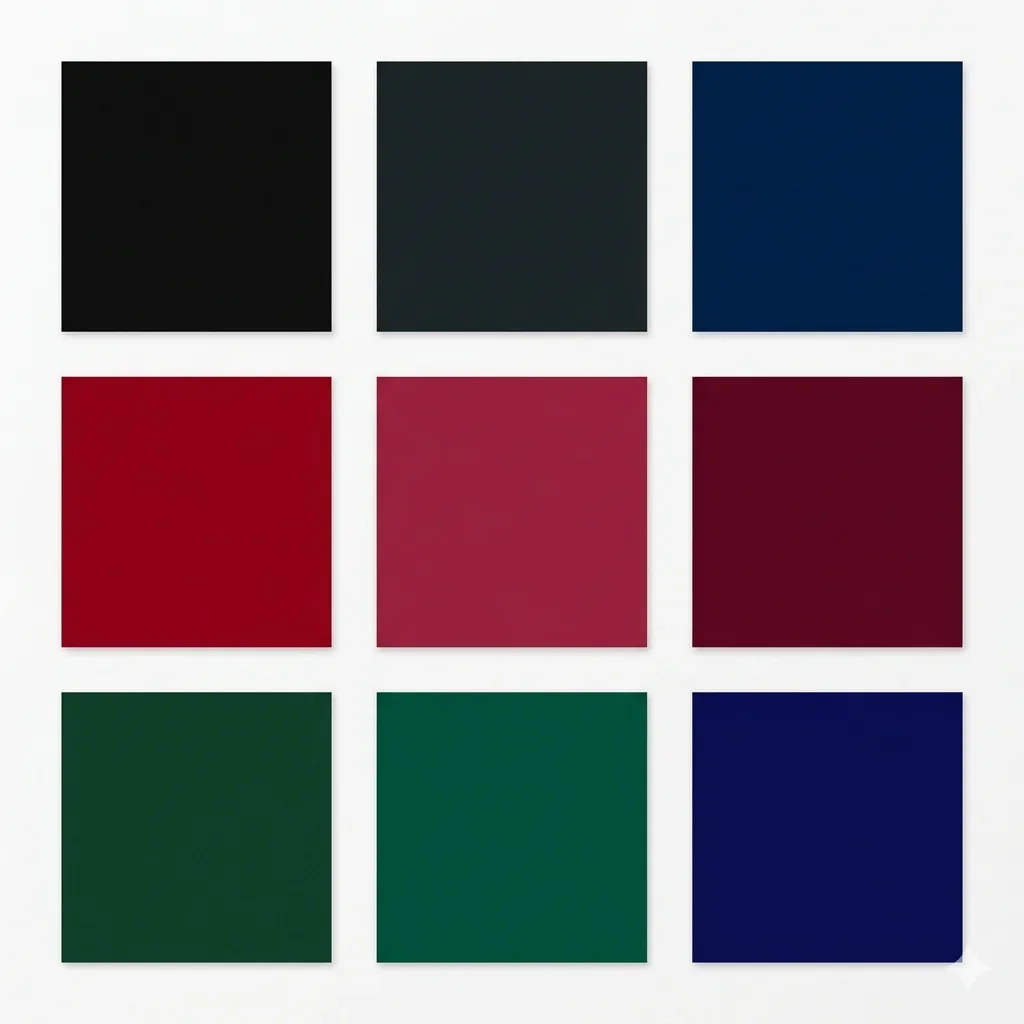
Dark Winter (Deep Winter)
heavy value, neutral-cool, intense. Black, true red, and deep emerald.
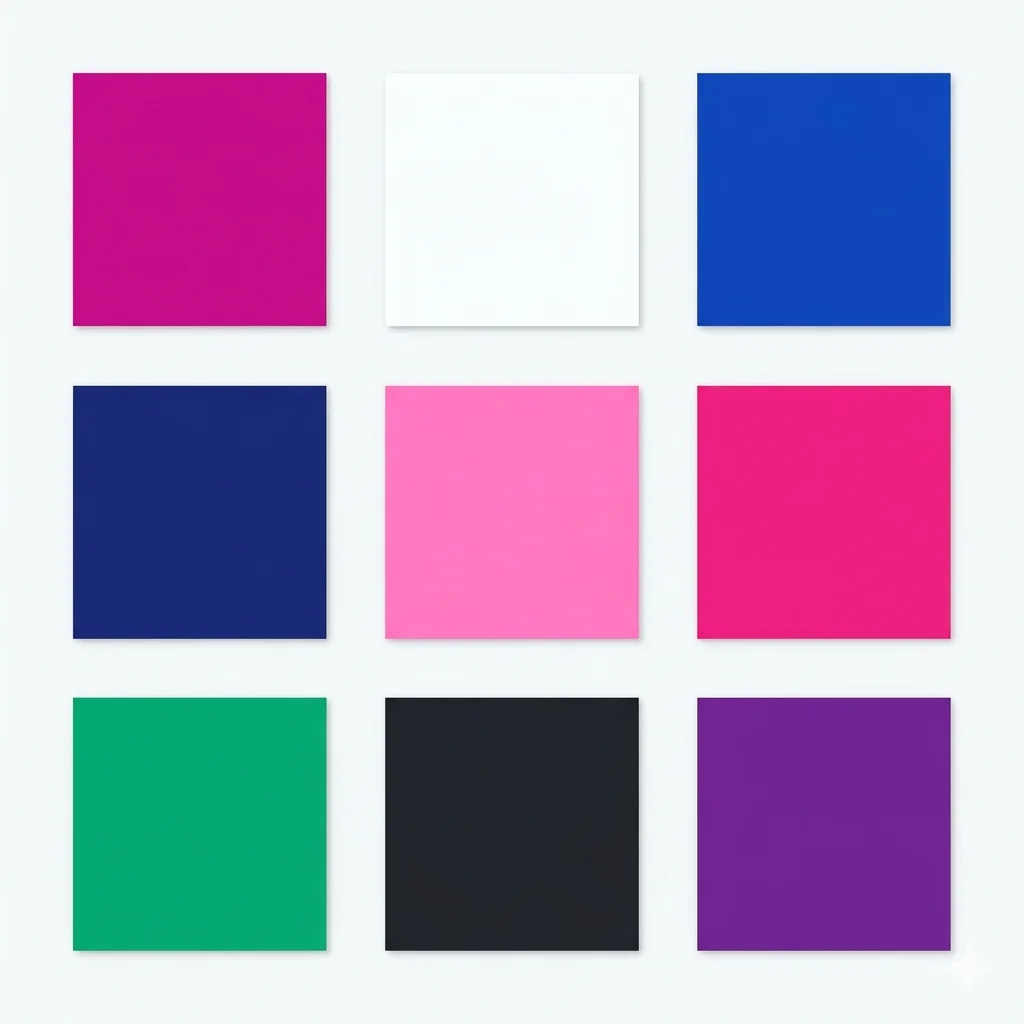
True Winter (Cool Winter)
totally blue-based, high contrast, pure. Cobalt blue, pure white, and magenta.
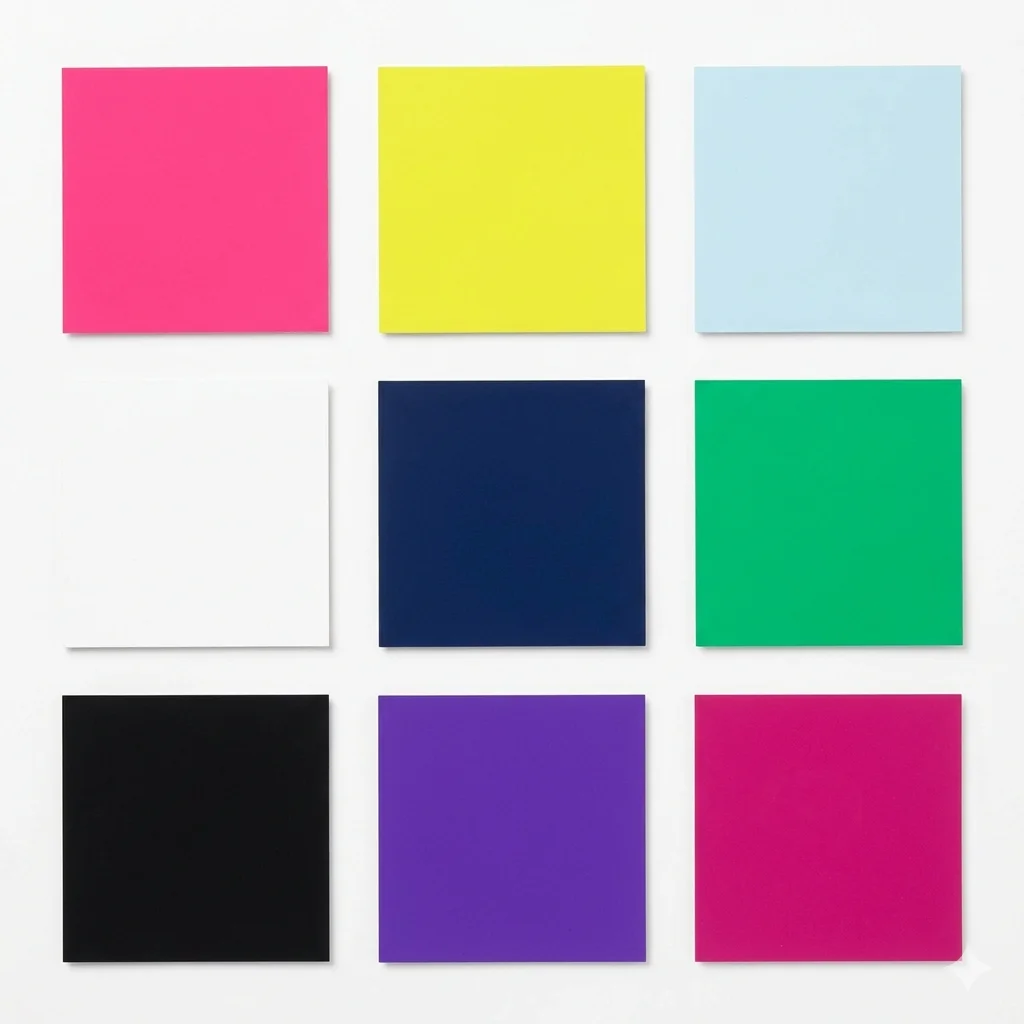
Bright Winter (Clear Winter)
high contrast, cool-neutral, vivid. Hot pink, acid yellow, and icy blue.
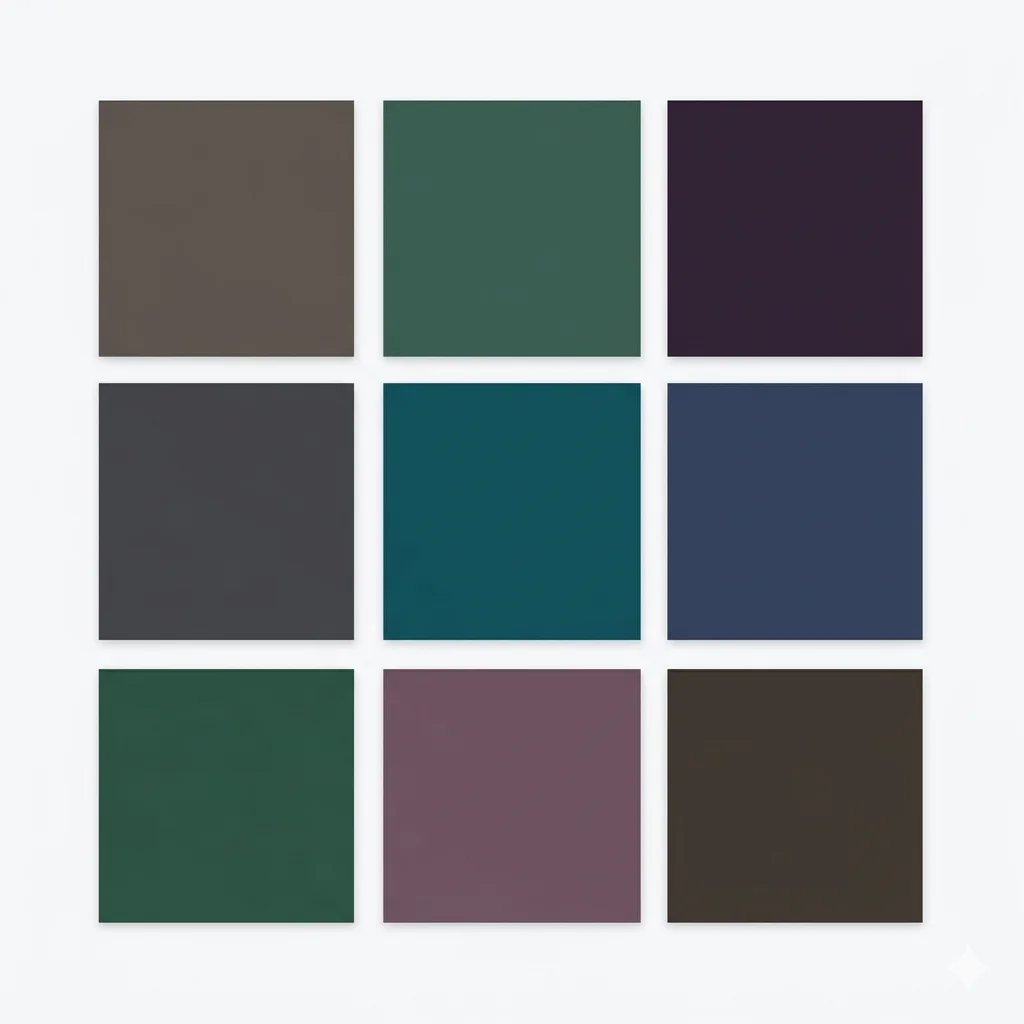
Soft Winter
(Deep Tonal Flow)
deep, cool, greyed-neutral. Deep cool taupe, spruce, and blackened-violet.
The Four Season Families — A Brief Orientation
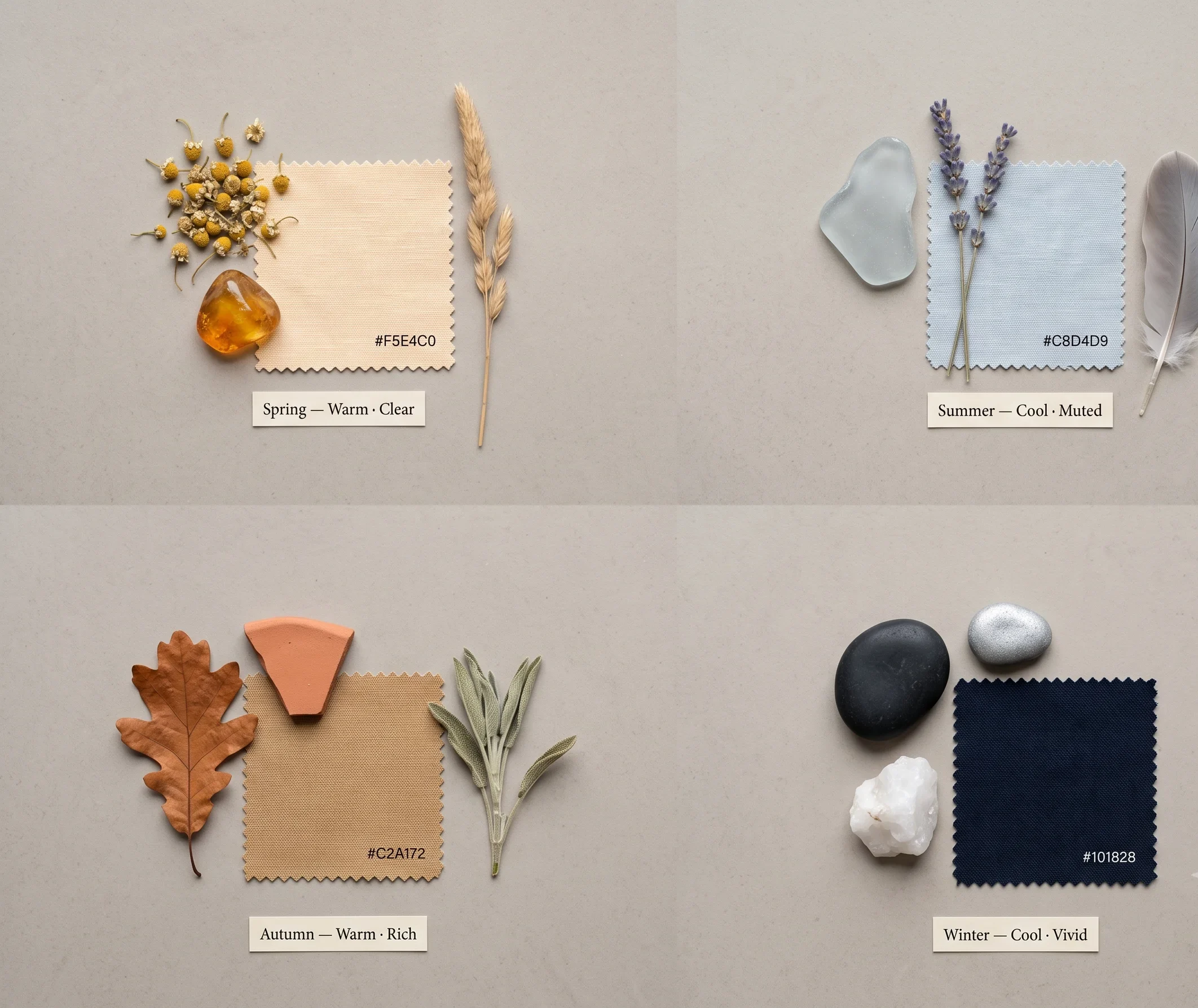
All 16 seasons belong to one of four families. Knowing your family is the first step — then the three variables above pinpoint which of the four sub-seasons within that family is yours.
Spring
Warm undertone (golden-peach base), light to medium depth, clear to vivid saturation. Spring colours are warm, fresh, and clear — yellows, peaches, warm greens, corals. Veins appear green or blue-green.
Spring guide coming soonSummer
Cool undertone (blue-pink base), light to medium depth, muted to medium saturation. Summer colours are cool, blended, and gentle — blues, lavenders, mauves, soft greens. Veins appear blue-purple.
Summer Color Palette Hub →Autumn
Warm undertone (gold-brown base), medium to deep depth, muted to rich saturation. Autumn colours are warm, earthen, and complex — terracotta, olive, camel, umber. Veins appear green or green-yellow.
Soft Autumn Color Palette →Winter
Cool undertone, medium to deep depth, medium to vivid saturation. Winter colours are cool, clear, and bold — true white, pure black, vivid blue, fuchsia, emerald. High natural contrast typical.
Winter guides coming soonThe Soft Summer Connection The most frequently occurring season across the full Summer family is Soft Summer — the muted, cool sub-season that sits closest to the Autumn boundary. If you tested as cool-undertone with a muted response to vivid colours, Soft Summer is where to look first. The complete Soft Summer color palette guide lives at the homepage of this site.
Explore the Soft Summer Color Palette →
The 16 Seasons — Temperature, Value & Saturation at a Glance
This chart breaks down all 16 color seasons to help you find your perfect match. It shows the family, temperature, value, and saturation for each one. Use this simple guide to understand your natural coloring and build a wardrobe you love.
| Season | Family | Temperature | Value | Saturation |
|---|---|---|---|---|
| Light Spring | Spring | Warm | Light | Soft-clear |
| True Spring | Spring | Warm | Medium | Clear |
| Bright Spring | Spring | Warm | Light-Medium | Vivid |
| Soft Spring | Spring | Warm | Light | Muted |
| Light Summer | Summer | Cool | Light | Softly muted |
| True Summer | Summer | Cool | Medium | Medium-clear |
| Soft Summer ⭐ | Summer | Cool | Medium | Muted |
| Dark Summer | Summer | Cool | Deep | Muted-medium |
| Soft Autumn | Autumn | Warm | Medium | Muted |
| True Autumn | Autumn | Warm | Medium-Deep | Rich-clear |
| Dark Autumn | Autumn | Warm | Deep | Rich |
| Bright Autumn | Autumn | Warm | Medium | Vivid |
| Dark Winter | Winter | Cool | Very deep | High-contrast |
| True Winter | Winter | Cool | Deep | Vivid-icy |
| Bright Winter | Winter | Cool | Medium-Deep | Maximum vivid |
| Soft Winter | Winter | Cool | Medium-Deep | Muted-medium |
Helen Alex
Senior Certified Colour Analyst · Sci/ART 16-Season Framework · 2,000+ In-Person Drapting Sessions
Every analysis on this site comes from direct studio observation — not pattern matching, not trend content. I test each colour season determination under controlled daylight conditions, using calibrated Sci/ART fabric drapes against real colouring. My clients include people who have been mistyped elsewhere, people who have never considered colour analysis before, and people who want the precision that a clinically-trained drapting session provides rather than a screen-based quiz.
This free seasonal color analysis guide is the same framework I use in studio — organised so that any person can apply it practically, with or without a professional session. The quiz gives a directional starting point. The dedicated season guides go ten times deeper on every application.
Seasonal Color Analysis — FAQs
What is seasonal color analysis?
Seasonal color analysis identifies the palette of colours that harmonise best with your natural biology — skin undertone, hair depth, and eye clarity. It uses three variables from Munsell colour science: temperature (cool or warm), value (light to deep), and saturation (muted to vivid). The result places you into one of 16 colour seasons in the Sci/ART framework.
How many seasons are there in color analysis?
The most precise system — Sci/ART — uses 16 seasons, four in each of the four families (Spring, Summer, Autumn, Winter). Earlier systems used 4 seasons (the original Carole Jackson model) or 12 seasons (a common intermediate). The 16-season system is the current clinical standard in professional drapting practice because it provides meaningfully more precision in real-world wardrobe and makeup decisions. Check our complete soft summer clothes shopping guide to make best desicions for your wardrobe.
What is the most common color analysis season?
Soft Summer and Soft Autumn are the most frequently identified seasons in clinical practice. Both share a low-saturation, blended quality — the difference is undertone (Soft Summer is cool; Soft Autumn is warm). Their muted character is simply the most statistically common colouring type globally, across all ethnicities and Fitzpatrick depths.
Is seasonal color analysis real?
Yes. It is applied colour science, not trend-based advice. The system uses Munsell colour theory — the same colour measurement system used in professional design, paint calibration, and printing industries. A 2024 study in the Journal of Color Research and Application confirmed that chroma-matched palettes produce significantly more even perceived skin luminance than mismatched ones. The science is real; the application is practical.Visit this to get every answer about can soft summer wera this ?.
What is the difference between 12 and 16 season color analysis?
The 12-season system divides each of the 4 base seasons into 3 sub-seasons. The 16-season Sci/ART system adds a fourth sub-season per family, providing finer distinctions — especially at the muted and vivid ends where 12 seasons often leaves people between categories. The 16-season system is the framework used in the guides on this site.
Who invented seasonal color analysis?
The 4-season model was popularised by Carole Jackson with “Color Me Beautiful” in 1980. The 12-season refinement developed through the 1980s–90s. The 16-season Sci/ART framework was developed by Kathryn Kalisz, applying Munsell colour science to create the clinical drapting system now used in professional training globally. This site uses the Sci/ART 16-season framework exclusively.
Does seasonal color analysis work?
In my experience across 2,000+ in-person sessions: yes, and the draping test confirms it every time. When the correct season palette is held near the face in controlled daylight, the skin clarity, eye brightness, and overall luminosity improve visibly and immediately. When the wrong season’s palette is tested, the face retreats. The result is consistent, observable, and reproducible — not subjective.
Your Next Move From Quiz Result to Real Wardrobe
The quiz above gives you a direction. The specialist guides below take each season ten times deeper — specific hex codes, melanin calibration, hair colours, makeup, and wardrobe formulas.
1. If your result was Summer: Start with the Soft Summer Color Palette guide (our flagship resource), then the Summer Color Palette hub which covers all four Summer sub-seasons side by side.
2. If your result was Autumn: The Soft Autumn Color Palette guide is the most detailed Autumn resource on this site — full 36-colour palette, melanin calibration, menswear.
3. If you’re between two seasons: The most common boundary call is Soft Summer vs Soft Autumn — temperature rather than saturation is the deciding factor, and that guide covers the diagnostic test in clinical detail.
4. For a professional assessment: The quiz narrows the field; a proper Sci/ART drapting session with calibrated fabric confirms it. Contact details are on the About page.
Seasonal colour analysis changes the way people shop, dress, and see themselves — but only when the season is correct. Take the quiz as a starting point, read the guide for your result, and if something feels off, trust that feeling. It usually means you’re at a season boundary worth exploring properly. — Helen